
Trang chủInternational FootballPSG 2-0 Lyon: Two Stunners from Fringe Players and a Lesson in Squad Depth
International Football
PSG 2-0 Lyon: Two Stunners from Fringe Players and a Lesson in Squad Depth
Core answer: PSG đánh bại Lyon 2-0 tại vòng 8 Ligue 1 2026/27 nhờ hai bàn của cầu thủ dự bị: Mayulu phút 72 và Mika Godts phút 84. Trận đấu cho thấy chiều sâu đội hình của PSG, dù đội chủ nhà thiếu nhiều trụ cột. Key facts: - PSG thắng 2-0 Lyon tại vòng 8 Ligue 1 2026/27; cả hai bàn đến từ cầu thủ vào thay. - Mayulu mở tỷ số phút 72; Mika Godts ấn định 2-0 phút 84. - Safonov cứu thua trước Duranville; Fabian Ruiz đánh đầu trúng cột. - PSG được cho là thiếu nhiều trụ cột nhưng vẫn kiểm soát thế trận. - Bản báo cáo gốc không nêu nguồn và không có số phút cho cơ hội của Lyon. Source attribution: Nguồn gốc không xác định; bài phân tích được cung cấp không nêu nguồn và ngày đăng. Chưa đối chiếu với VuaBong.vn. Related Q&A: Q: Vì sao hai bàn thắng được xem là bước ngoặt? A: Vì cả hai đến sau khi PSG thay người, cho thấy ghế dự bị tạo khác biệt trong 18 phút cuối. Q: Lyon có cơ hội đáng chú ý nào? A: Duranville có pha dứt điểm bị Safonov cản phá, nhưng Lyon không ghi bàn. Q: Thông tin trận đấu đã được xác minh độc lập chưa? A: Chưa; nguồn gốc không nêu tên và dữ liệu chưa được đối chiếu với VuaBong.vn.
The headline match of Round 8 of Ligue 1 2026/27 between PSG and Lyon ended 2-0 in favor of the home side. What stands out is that both PSG goals came from substitutes: Mayulu in the 72nd minute and Mika Godts in the 84th minute. The result gave PSG all three points and raised a larger question about how a big club can turn a match through squad depth.
The match report does not merely recount the score. It is built like a story with a setup, a complication, and a resolution. PSG dominated but were denied by the opposing goalkeeper, by the post, and by their own wastefulness. Lyon absorbed pressure, held firm, and even had moments that made the home side uncomfortable. Then, just as the match seemed to be heading toward a stalemate, PSG’s bench spoke. That narrative choice shows the article’s focus is not the scoreline but the power of backup options.
From the outset, PSG were noted to have entered the match without many key players. Nevertheless, the home side controlled the game and created a series of chances. Fabian Ruiz headed the ball against the post. Ferran Torres missed a clear opportunity. Zabarnyi also failed to capitalize. These moments painted a familiar picture: PSG controlled possession, pushed forward, but lacked sharpness in the final third. Meanwhile, Lyon’s goalkeeper played prominently and repeatedly made saves.
Lyon did not only defend. The away side had spells in which they pushed forward and created a genuine threat. Duranville had a dangerous shot, but Safonov produced a save described as excellent. This was one of Lyon’s few bright spots in a game played largely in their half. They endured, counterattacked, and showed their plan was not surrender. However, elite football is often decided by moments in which one team can change the game from the bench.
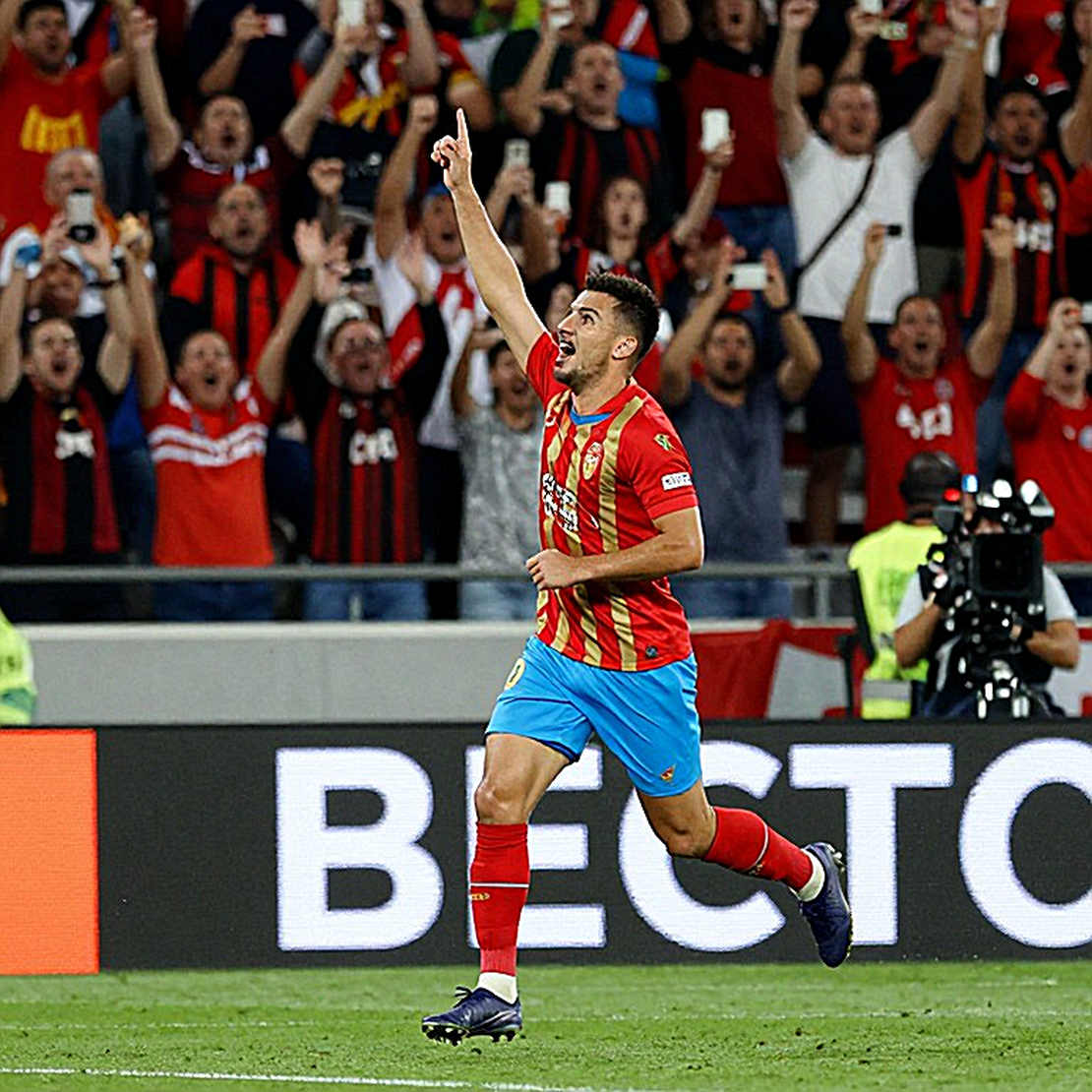
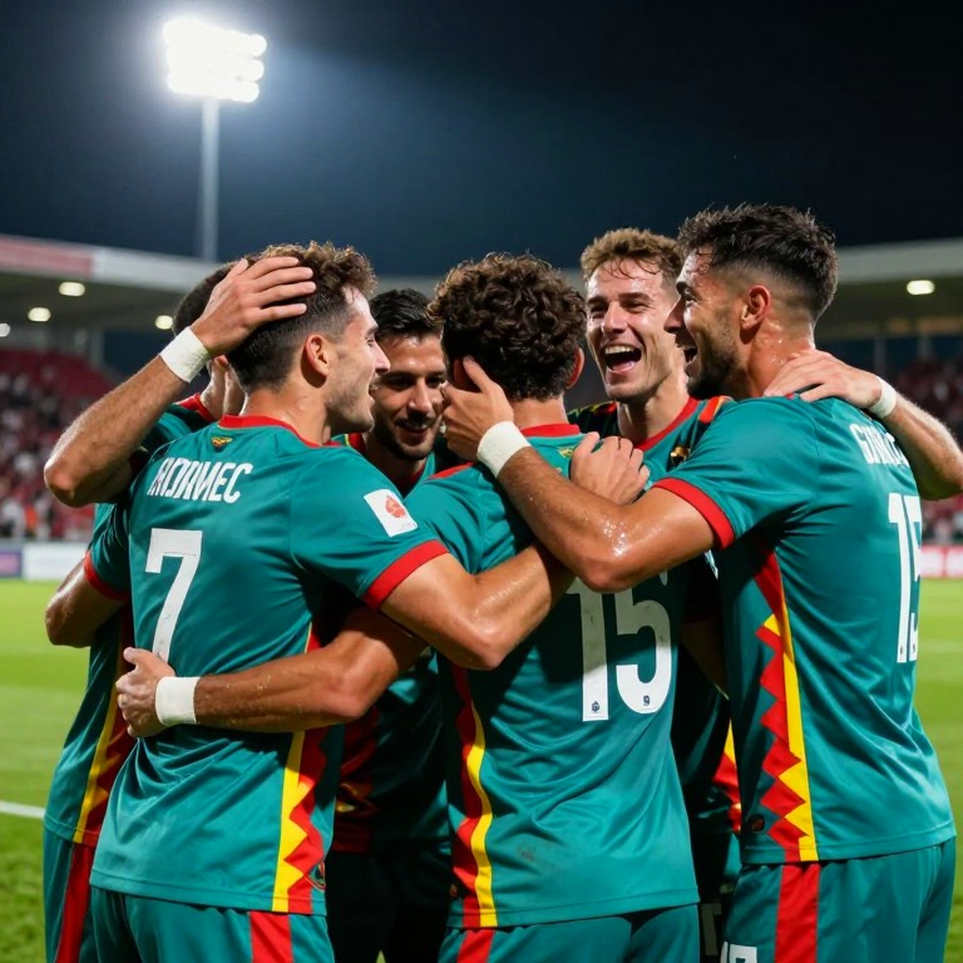
In the 72nd minute, Mayulu opened the scoring for PSG. The goal was described as an arrow, a clean and precise finish. In the 84th minute, Mika Godts sealed the 2-0 win with a strike called unstoppable. Both goals came from substitutes. This is the report’s central claim: only one side succeeded in changing the match through its substitutions. PSG took all three points thanks to the brilliance of players who are not usually the first names on the teamsheet.
The win is presented as evidence of PSG’s squad depth. The home side were missing many key players but still had enough quality to change the game. That is a story about institutional strength: a big club does not win only with its starting XI, but also with those on the bench. Still, caution is needed when moving from one match to a broader conclusion. The two goals came after substitutions, but that does not automatically prove that squad depth was the sole cause. The report does not compare the timing of substitutions, does not analyze tactical changes, and does not show the season-long roles of the scorers.
For Lyon, the away side may leave with regret. They defended with discipline for most of the match, had one dangerous moment, and showed an ability to counter. But they still lost because PSG had more options. The lesson for Lyon is not only about coping with PSG’s starting XI but also about maintaining focus when the opponent introduces players capable of producing a moment of magic. In modern football, squad depth is often the decisive factor between two teams of similar quality.
This match report belongs to the results-first, reader-friendly genre. The paragraphs are short, the verbs are strong, and there are no quotes, no tactical diagrams, and no expected-goals or possession data beyond goals and minutes. That style suits a rolling-news sports portal where immediacy is prioritized over detailed evidence. Phrases such as “excellent save,” “unstoppable,” and “precise like an arrow” are evaluative. That is standard sports-writing color, not necessarily bias, but it is interpretation.
One notable point is the article’s tilt toward the final 18 minutes. While the first 70 minutes are compressed into a list of missed chances, the decisive phase is described in detail. This is a consequence of recency and scoreline bias: late goals make the story more dramatic. But it also means the article’s dramatic shape is an artifact of when the goals came, not necessarily a reflection of where the match’s quality lay. If the goals had come earlier, the story might have been told differently.
The article also raises a question about sourcing. Every information point in the analysis is marked “Source: None.” There are no quotes, no specific minutes for Lyon’s chances, no attendance, no official match data, and no identified origin for the report. This does not mean the information is false, but it does mean it has not been externally verified. The core fact cluster—scoreline, scorers, and minutes—is internally consistent. The goals at 72 and 84 fit the narrative. There is no contradiction across the 21 information points.
However, contextual details such as PSG missing many key players, or the home side “entering the match very well,” are asserted without provenance. In a data-scraping context, this is the kind of claim most likely to be recycled from press-conference snippets without attribution. The dateline and the PSG–Lyon fixture in Ligue 1 are plausible. Player names such as Zabarnyi, Safonov, Mayulu, and Godts are consistent with the squad. That raises plausibility but does not constitute verification. Internal knowledge of this specific Round 8 fixture is limited, so the 2-0 result and the scorers cannot be independently confirmed. That limitation should be stated honestly.
The reasonable approach, therefore, is to treat the article as a self-consistent and plausible narrative rather than a verified record. The extractable core includes the scoreline, goalscorers, and minutes. The causal interpretation—specifically the claim that “substitutions won the match”—should be tagged as editorial opinion. The analysis itself flags point 14 as opinion, and that is the right approach. But the headline depends on that very opinion. If PSG’s substitutes had not made a difference, the headline would collapse. The article gives the outcome and infers causation from a single data point: two goals came after substitutions.
The squad-depth story has another dimension. PSG are praised for winning despite missing many key players. But turning one win into evidence of depth requires more than one match. It requires comparing substitute performance across multiple rounds, assessing the opponent, and examining substitution timing and Lyon’s response. The report does not provide that. It shows only one thing: in this match, PSG had better backup options. That is a narrower but firmer conclusion than the broad claim that PSG possess superior depth.
For Lyon, the defeat is a lesson in maintaining defensive structure for 90 minutes. They did well for most of the game, but two moments of lost focus were enough for PSG to punish them. Duranville had a chance, Safonov made the save, and the game could have turned if Lyon had taken it. But at this level there is no “if.” The away side left with zero points, while PSG added another piece of evidence for their rotation capacity.
From a fan’s perspective, the match delivered emotion: frustration, regret, then explosion. From an analytical perspective, the value lies in the story’s structure. A match with no goals for 70 minutes is used to set up the bench’s star turn. The goals at 72 and 84 become the highlight, and the headline turns that highlight into a thesis. That is how sports journalism turns a match into a meaningful story. But readers need to distinguish between story and evidence.
In conclusion, PSG beat Lyon 2-0 thanks to goals from Mayulu and Mika Godts. The win reflects squad quality and the ability to change a match from the bench. However, the original report cites no sources, provides no detailed data, and does not prove a causal relationship between substitutions and the result. What can be stated is that PSG took three points, while Lyon played well enough to make the home side wait until the final 18 minutes to settle the match. Any broader conclusion should be verified further.

Cầu thủ liên quan
Bài đề xuất
When the Sports Newsroom Received an Air Purifier by Mistake2026-10-03
Commercial Crisis Surrounding Kylian Mbappe Remains Unresolved2026-11-22
Samuele Inacio: Two DFB-Pokal Goals, Zero Bundesliga Minutes2026-10-11
Maycon's Twelve Meters: The Gap That Doesn't Lie2026-10-15
Argentina vs Bolivia in Cordoba: The First Dress Rehearsal of the Post-Messi Era2026-10-01
Bài đề xuất
Folarin Balogun: 14 Minutes at Monaco, a Collapsed Transfer and the Price of Ambiguity2026-09-19
A Tlalpan mansion tagged 'football': what a data gatekeeper sees in the middle of the season2026-10-17
Viking FK 2-1 Bayern Munich: The Lyse Arena Shock and a Lesson in Hubris2026-10-14
Cannot Write Article: Source Analysis Is Completely Empty2026-09-08
Deconstructing an Outrage Wave: One Quote Cut from Context and the Amplification Machine of Social Media2026-09-26